Introduction
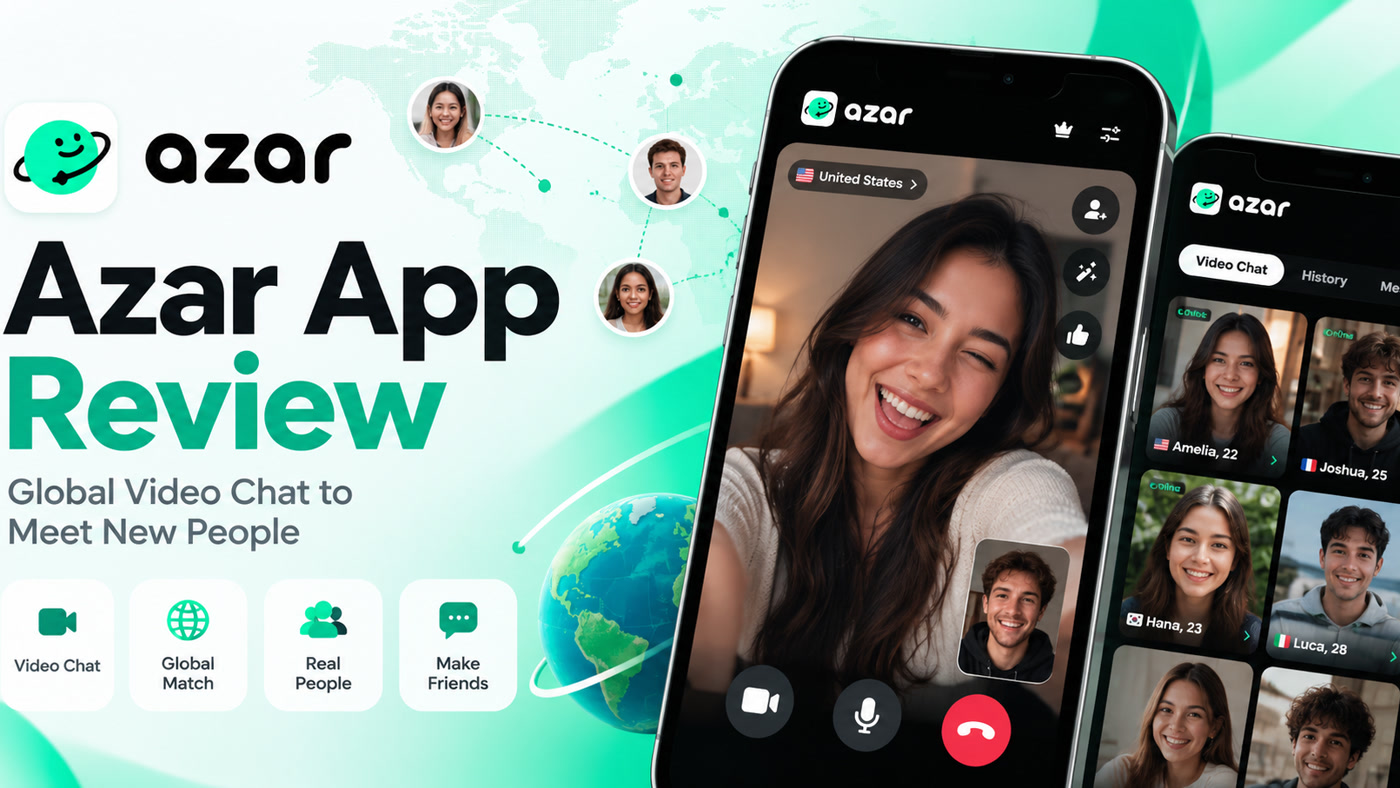
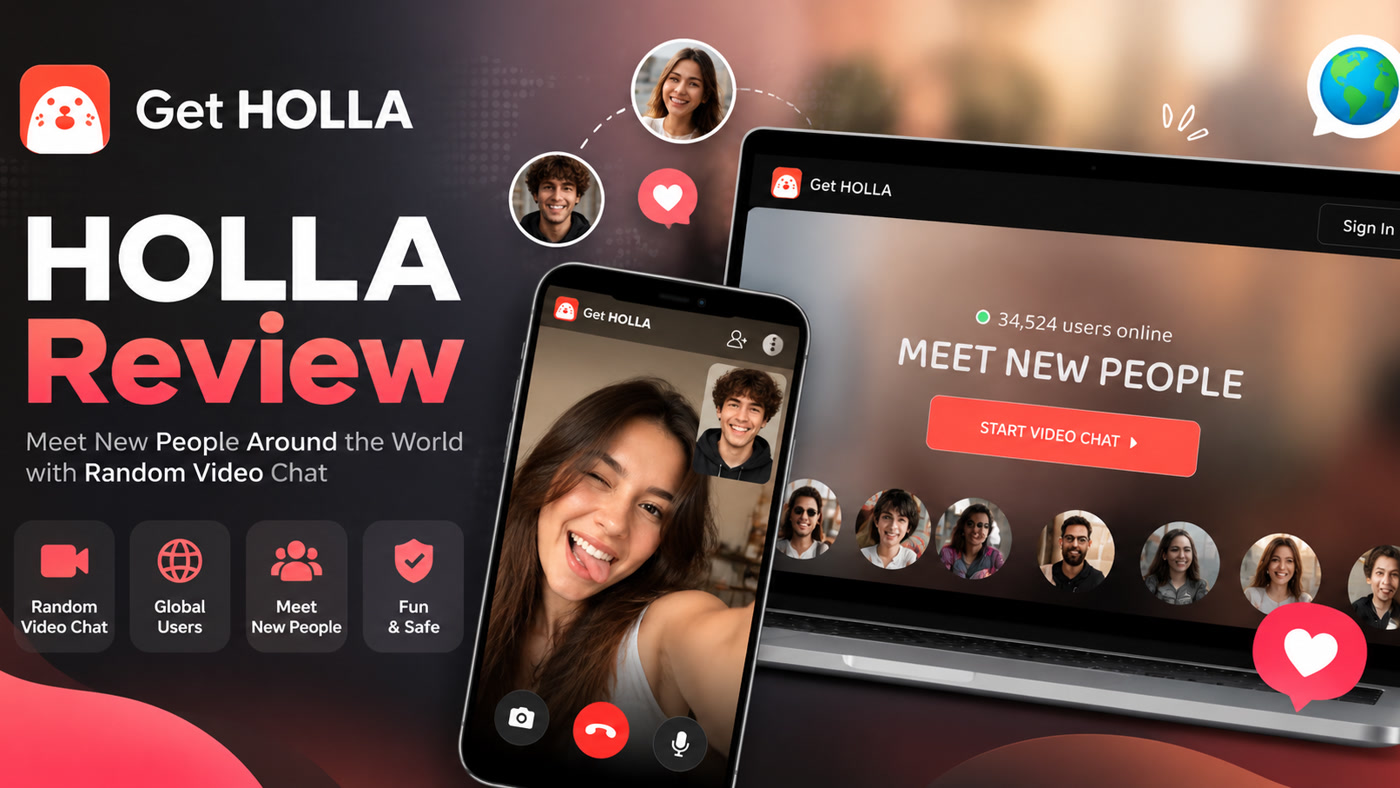
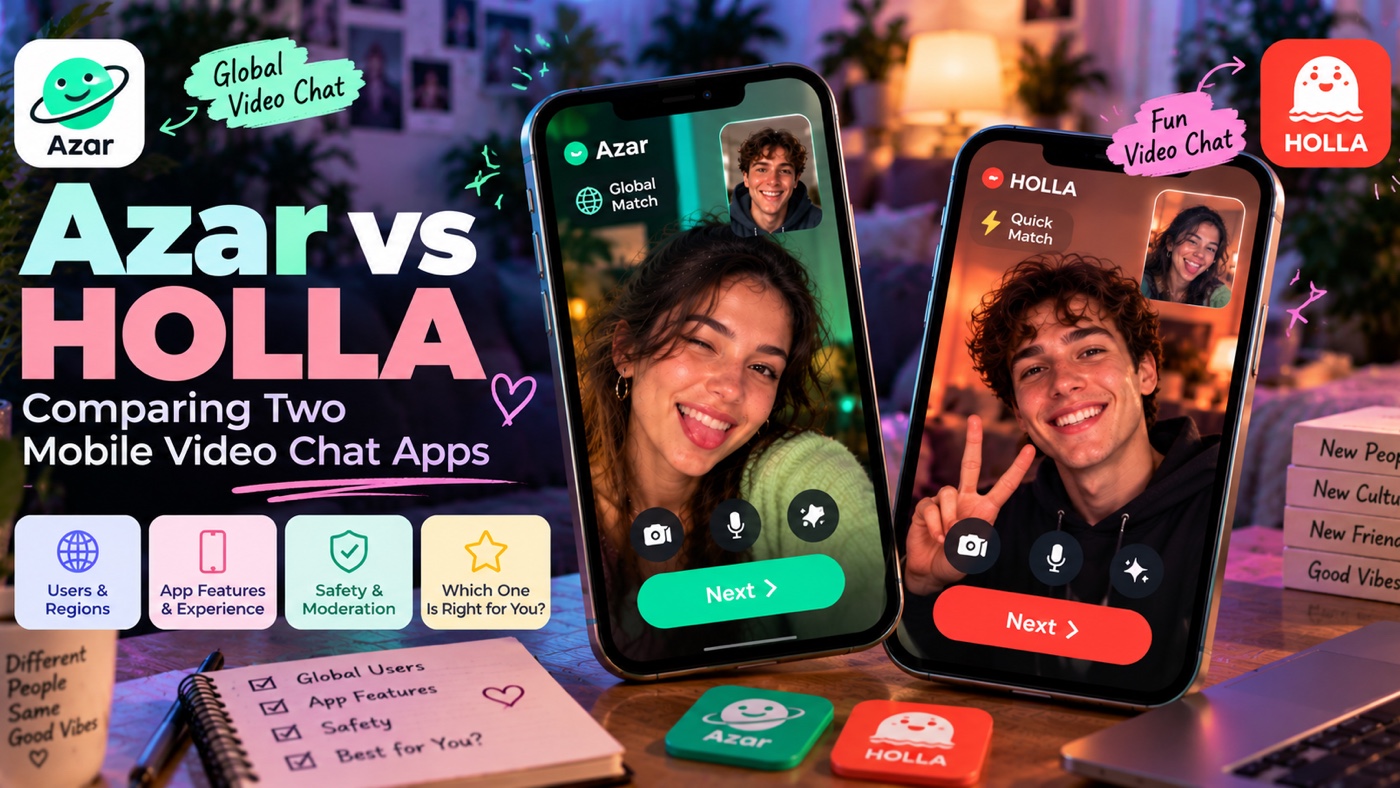
Azar and HOLLA are better compared as mobile social-discovery apps than as simple Omegle clones. Both center live video, but their product identity includes more structure around profiles, preferences, discovery, and monetized features than a bare browser-based roulette service.
That makes the comparison useful for people who want random or semi-random live interaction but still care about a polished mobile experience. The key differences are how each app frames discovery, what information persists between sessions, which controls are premium, and how much the product feels like a social network rather than a disposable chat room.
Azar vs HOLLA at a Glance
| Area | Azar | HOLLA |
|---|---|---|
| Product identity | Global mobile social discovery | Mobile live-video discovery |
| Core device | Mobile-first | Mobile-first |
| Matching feel | Structured global discovery | Fast live introductions |
| Profile/account structure | More persistent than classic roulette | More persistent than classic roulette |
| Key comparison | Translation/discovery ecosystem | Fast mobile interaction and social features |
Pricing and feature bundles can change frequently in mobile apps, so users should confirm current subscriptions, coins, filters, and regional availability in the app store and official product pages.
Mobile-First Design
Both products are designed around the phone rather than treating mobile as a smaller desktop page. That means vertical video, camera switching, tap-based controls, profile context, and in-app navigation are central to the experience.
Users who prefer a no-download browser flow may find both products more structured than necessary. Users who like polished apps, persistent settings, and a stronger sense of identity may see that same structure as an advantage.
The mobile-first design is therefore not simply a technical detail; it shapes how social and persistent the interaction feels. Profiles, in-app controls, purchases, and repeat use become more central than they are in a disposable browser session.
Matching and Discovery
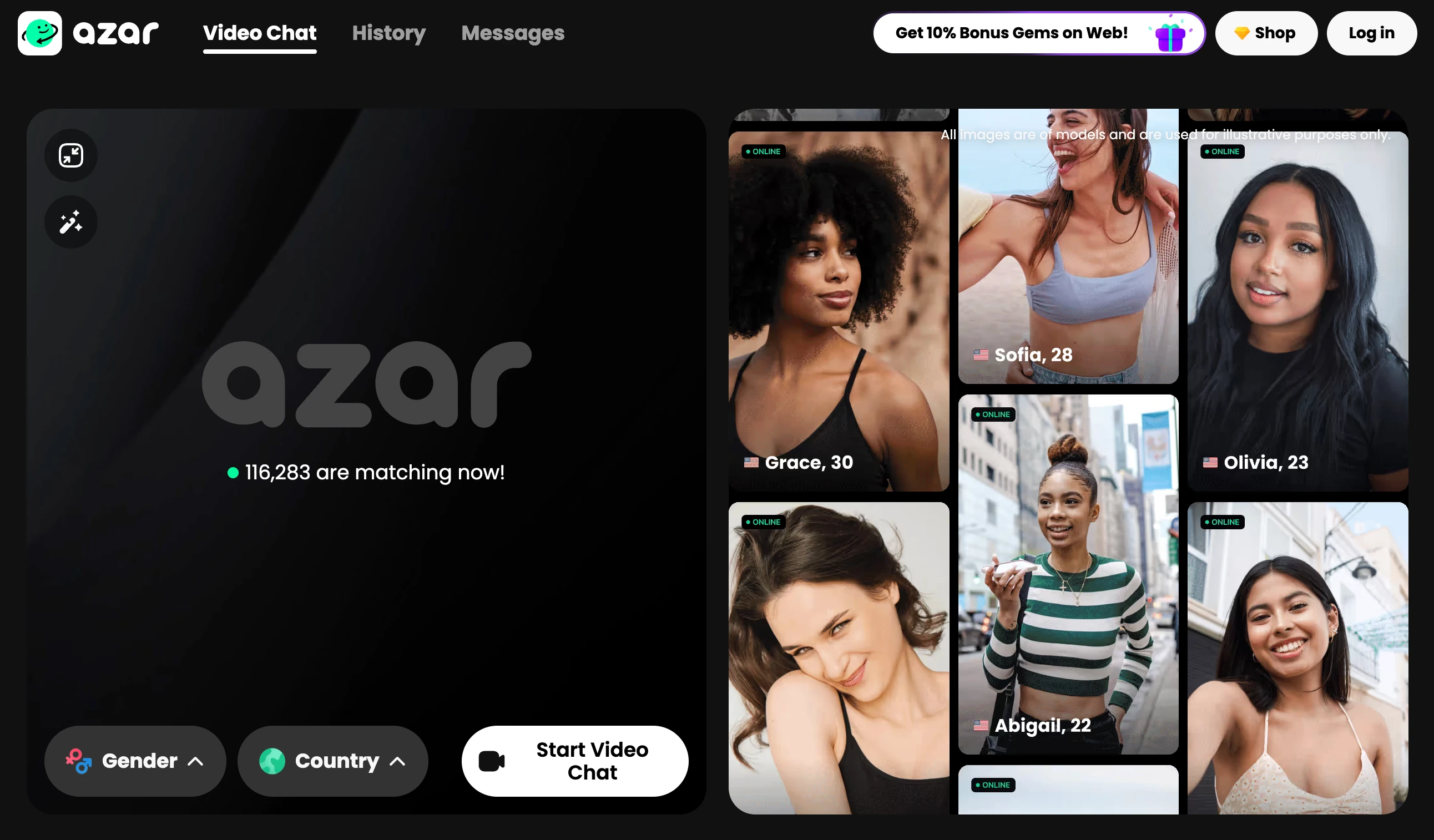
Azar has long emphasized global discovery and cross-border interaction, with features designed to help people meet beyond their immediate geography. HOLLA also centers quick live connections, but its broader product presentation can feel more entertainment-oriented and socially expressive.
The exact filter sets can vary over time and by plan. Users should check current country, gender, language, or preference controls directly rather than relying on older comparisons.
The main distinction is that both apps give more context and product structure around matching than classic one-button anonymous roulette. Users who like that structure may find the experience richer, while users seeking pure spontaneity may find it unnecessary.
Translation and Cross-Language Interaction
Cross-language communication is an important consideration for globally oriented video-chat apps. Azar has historically emphasized translation and international discovery as part of its identity, which can be useful for users who want to meet outside their language group.
HOLLA also serves a global audience, but users should compare the current translation and language-support experience directly because app features change by version and region.
If international conversation is your main goal, language tools may matter more than cosmetic filters or social extras. Azar’s current help materials, for example, document text translation and a live-translation flow that converts speech to translated subtitles.
International Conversation as a Product Feature
Azar’s current support documentation makes cross-language conversation a concrete product capability rather than only a marketing theme. It documents text translation during matching and calls, and its newer Live Translation feature describes speech-to-text, machine translation, and translated subtitles during video chat.
That matters for users whose main goal is meeting people across language boundaries. A platform can have a large global user pool and still produce frustrating conversations if users cannot understand one another. When comparing Azar with HOLLA, verify whether each app currently offers translation, language preferences, or other tools that reduce that friction in the region and version you use.
Profiles and Persistent Identity
Both apps operate with more identity persistence than no-signup random-chat sites. That can support continuity, preferences, premium accounts, or broader social features, but it also means users should pay more attention to what profile information is public.
A persistent identity can make the experience feel less disposable, yet it increases the importance of privacy settings. Do not add precise location, workplace, school, or other identifying information simply because the app provides profile fields.
The amount of identity you want attached to stranger discovery is one of the most important reasons to choose an app-based product or avoid one.
Free vs Paid Features
Mobile social-discovery apps often use subscriptions, coins, virtual items, boosts, or premium filters. The details change frequently, so the useful comparison is not a fixed price table that becomes stale; it is whether the free experience remains useful and whether paid features are clearly explained.
Look for the cost of selective matching, any virtual-currency system, recurring subscriptions, and what happens when free allowances end. App-store billing can make purchases convenient, but users should still understand renewal terms before subscribing.
A polished mobile product can justify premium features, but the value depends on whether those features match your actual use case. Paying for selective discovery makes little sense if you mainly enjoy random global conversations.
Safety and Moderation
Live video products need clear reporting, blocking, and community rules regardless of whether they are social, dating-adjacent, or entertainment-oriented. Users should know how to leave a bad interaction quickly and what age policies apply.
Persistent accounts can create more enforcement options than completely anonymous sessions, but they do not guarantee appropriate behavior. Keep personal information limited and avoid moving to private channels or financial requests too quickly.
The safest comparison focuses on practical controls rather than marketing language. Reporting, blocking, age rules, privacy settings, and the ability to leave quickly are more useful than broad claims about being a safe community.
Which Experience Fits Which User?
Azar may fit users who care strongly about international discovery, language support, and a structured global social experience. HOLLA may appeal to users who want fast mobile live-video interactions inside a more entertainment-oriented environment.
Those are product-fit descriptions, not a universal ranking. Some users will prefer the additional profile and app structure; others will prefer the low friction of browser-based random chat instead.
Conclusion
Azar and HOLLA sit on the more structured, mobile-first end of live stranger discovery. Both offer more persistent identity and social context than a minimal random-video website, but they package matching, discovery, and premium features differently.
Choose based on whether you value international discovery, language tools, profile persistence, or a fast entertainment-oriented mobile experience. Then verify current pricing, filters, and policies directly in the apps because those details change more often than the basic product identity.